Convento dos Capuchos entry
All visitors aged 6+
€18
- Official dated entry to the Convento dos Capuchos
- Access to the cells, chapels, cloister and woodland walks
- Free 5-minute audio history before your visit
- Full refund if we can't secure your entry
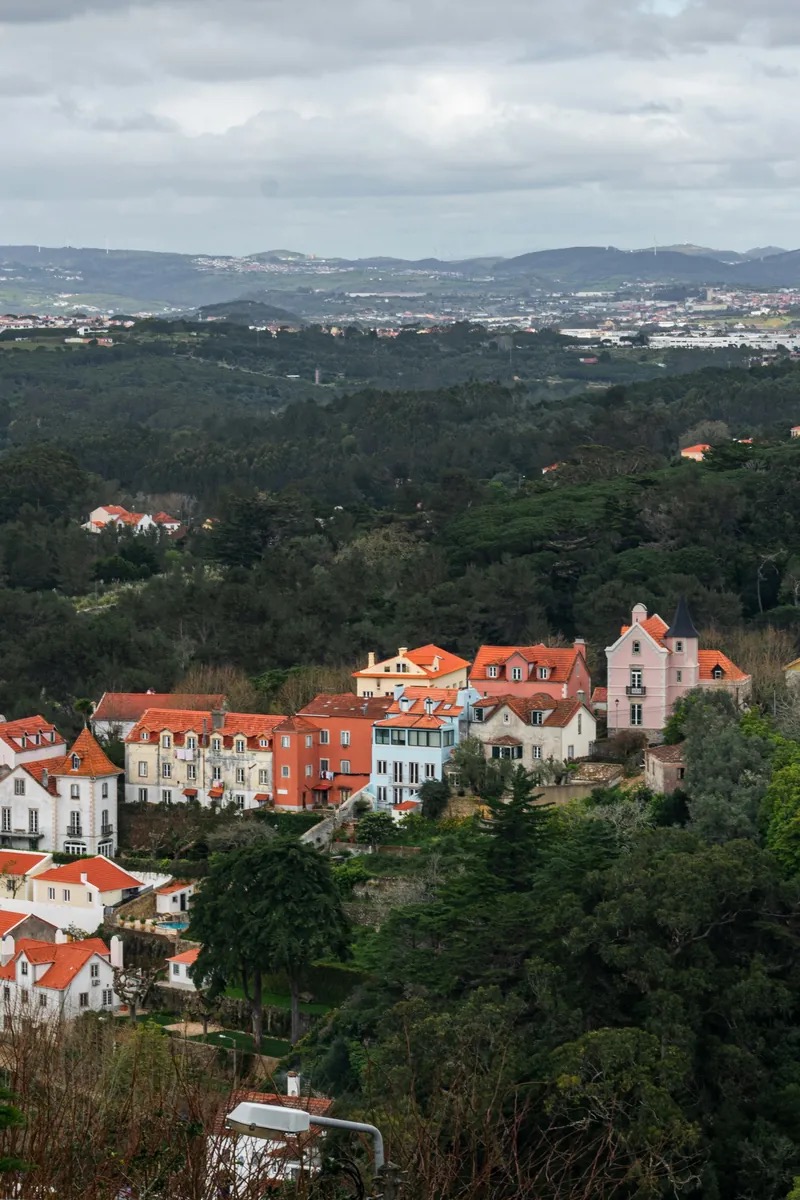
Step inside the Convento dos Capuchos — the cork-lined hermitage where Franciscan friars lived in nine tiny cells carved into the Sintra hillside, half-buried in boulders and four centuries of moss.
See ticket optionsAll visitors aged 6+
€18
“The most surprising thing we did in Sintra. After the crowds at Pena, the Capuchos felt like a secret — tiny cork doorways, moss everywhere, total silence. Booking ahead meant the ticket was waiting in my inbox.”
“Booking was effortless and the e-ticket arrived within a couple of hours. The convent itself is unforgettable — you really feel how the friars lived. Wear good shoes, the paths are rough.”
“Loved that everything was handled in English and our date was confirmed straight away. A magical, atmospheric place — go early when it's quiet.”
5-minute audio guide
Hand-written and narrated by a heritage host, sent to every customer before their visit. Five minutes that turn a quiet ruin into a story — who the friars were, why the cells are lined with cork, and what to look for as you stoop through the low doorways.
Included free with every ticket. No app, no download — plays in any browser.
Hidden in the dense woodland of the Serra de Sintra, the Convento dos Capuchos is one of the most extraordinary — and least expected — places in all of Sintra. Where Pena dazzles and Monserrate enchants, the Capuchos disarms: a tiny Franciscan convent built so close to the ground, and so deep into the granite boulders, that it seems less constructed than grown out of the hillside.
First backed in 1560 by Álvaro de Castro — fulfilling a vow made by his father, the viceroy João de Castro — the convent became home to Franciscan friars who renounced earthly comfort entirely. They slept on the floor of nine cramped cells, their doorways so low you must stoop to pass, lined and insulated with cork stripped from the surrounding forest. That cork gave the place its enduring nickname: the Convent of Cork.
For over two centuries, from the 16th until the end of the 18th, friars lived here in silence and self-denial — a vegetable garden for food, a corridor of cells for meditation, a grotto-like vestibule, and a herb store, the Herbolarium, where aromatic plants were prepared. When Portugal dissolved its religious orders, the convent was abandoned to the forest, which has been quietly reclaiming it ever since.
Today the Convento dos Capuchos forms part of the Cultural Landscape of Sintra, inscribed on the UNESCO World Heritage List in 1995. It is a place to slow down: to duck through cork doorways, trace the friars' daily round from cloister to refectory to cell, and feel — more than at any palace in Sintra — what it meant to live with almost nothing at all.
“The most surprising thing we did in Sintra. After the crowds at Pena, the Capuchos felt like a secret — tiny cork doorways, moss everywhere, total silence. The ticket was in my inbox the same afternoon.”
Convento dos Capuchos Tickets is an independent ticket-concierge service that helps international visitors book entry to the Convento dos Capuchos. We are not affiliated with the site or its operator. Our service fee is included in the displayed price, and we refund you in full if a booking cannot be secured.
Plan your visit
When to arrive for the calmest atmosphere and the softest woodland light — a concierge timing guide to Sintra's quietest, most contemplative monument.
Train from Lisbon, bus 1253 or taxi from Sintra, or by car via the EN 247-3 — and how to plan the all-important return from Sintra's most remote monument.
A room-by-room walk through the Cork Convent — the Courtyard of the Crosses, the low-doored Corridor of the Cells, the cloister, and the hermitages in the woods.
It is a tiny 16th-century Franciscan convent hidden in the woodland of the Serra de Sintra, famous for its cork-lined cells and extreme austerity. First backed in 1560 by Álvaro de Castro, it housed friars who renounced comfort entirely and is nicknamed the 'Convent of Cork'. It forms part of the UNESCO-listed Cultural Landscape of Sintra.
Cork, stripped from the surrounding forest, was used profusely throughout the convent — lining the friars' cell doorways and ceilings for insulation, and even serving as their bedding. That distinctive use of cork gave the convent its enduring nickname, the 'Convent of Cork' (Convento da Cortiça).
The Convento dos Capuchos is open daily from 09:00 to 17:30, with last admission at 17:00. The on-site ticket office closes between 12:00 and 13:00, though an automatic ticket machine is available during that window. Your dated ticket lets you enter at your own pace on the day.
The experience is a sequence of small, austere spaces rather than grand rooms: the Courtyard of the Crosses, a grotto-like vestibule and church, the Corridor of the Cells with its tiny low doorways, the cloister set in native woodland, the Herbolarium where herbs were prepared, the refectory, and quiet hermitages including the cave of Friar Honório. Plan to stoop, slow down and explore.
From Lisbon, take the train to Sintra (about 40 minutes from Rossio). From Sintra station, bus 1253 serves the Capuchos — allow around 40 minutes including the walk — or take a taxi. By car, follow signs via Colares and the EN 247-3. It is remote, so plan your return journey in advance.
Most visitors spend around 45 to 60 minutes exploring the cells, chapels, cloister and surrounding woodland. It is a contemplative, walk-at-your-own-pace site rather than a quick tick-box stop — give yourself time to absorb the atmosphere.
Unfortunately not. The convent is built into uneven, rocky terrain with very low and narrow doorways, steps and woodland paths. It is not accessible to wheelchairs and is challenging for anyone with limited mobility. Sturdy, comfortable footwear is strongly recommended for everyone.
Your ticket is for a chosen date. When you book, you select the day you plan to visit and we secure your dated entry; you can then arrive at any point during opening hours on that date. There is no fixed entry-time slot to worry about.
Yes — many visitors pair the Capuchos with another Sintra monument to make a full day. It sits in the western Serra near Monserrate, so the two combine naturally; Pena and the Moorish Castle are a short drive away to the east. Because the Capuchos is remote, it works best as a dedicated stop rather than a quick add-on.
Early morning, soon after opening, is the most atmospheric — the woodland light filters through the trees and the site is at its quietest. Midday and early afternoon are busiest in peak season. The convent's forest setting keeps it cool and shaded even in summer, so a light layer is useful.
Yes. The convent forms part of the Cultural Landscape of Sintra, inscribed on the UNESCO World Heritage List in 1995 — a recognition of Sintra's unique blend of romantic architecture, historic estates and dramatic natural landscape.
No. Your ticket is a digital e-ticket — simply show the QR code on your phone screen at the entrance. We email it to you after you book, usually within a few hours, so it's ready well before your visit.
Get in touch as early as you can and we'll help you find the best option. Date changes depend on what the site has open on your new date. Because tickets are secured on your behalf once you confirm, please double-check your date before booking — our full terms set out the refund and change conditions.
Facilities at the Capuchos are very limited, in keeping with its remote woodland setting. Bring water and any snacks you may need, especially in warmer months, and use the cafés in Sintra town before or after your visit.
The price you see is an all-in concierge price covering your official admission ticket, our work securing and dating it on your behalf, a free audio guide, English-language support and instant delivery to your inbox. There is nothing extra to pay at the gate.